

There are places in the world that make you feel wonderfully small: where the horizon breathes, where silence sits like a warm hug, and where nature behaves in ways that defy logic. Mongolia is one of those rare frontiers. Sprawled between China and Russia yet shaped more by sky than by borders, this is a land where time moves differently and landscapes look as if someone turned the saturation up and forgot to turn it back down.
For travellers chasing the poetic edge of the planet – the kind of beauty that slows you down – Mongolia is a call you can’t ignore. This is your guide to the country’s most surreal natural attractions, each one a reminder that the world still has pockets of magic left.
Khongoryn Els – The Singing Sands of the Gobi
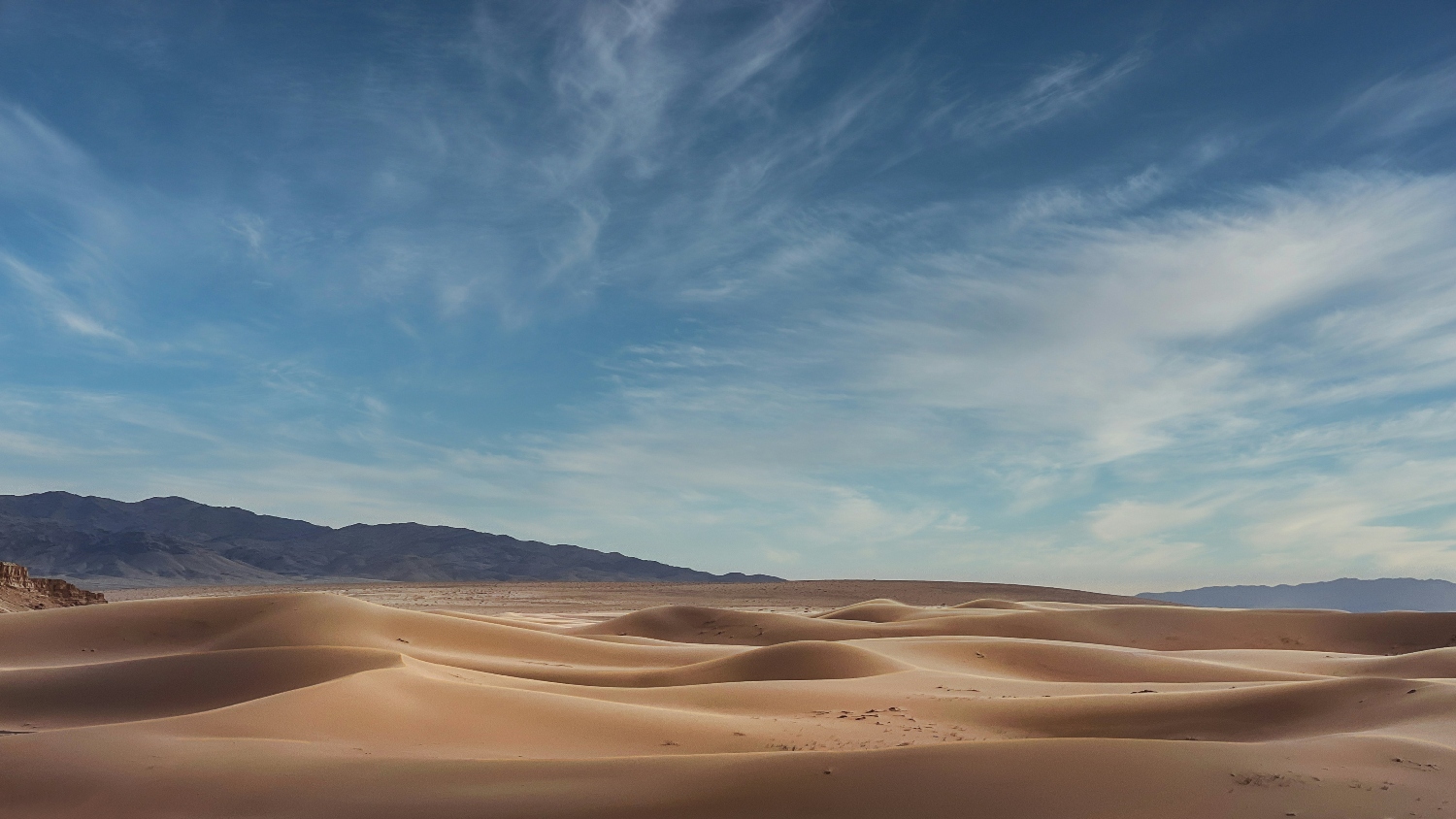
The Gobi Desert is already a masterpiece of silence, but Khongoryn Els, known as the “Singing Sands”, is where the desert becomes a symphony. These massive dunes stretch for over 100 kilometres, rising up to 300 metres, sculpted by the winds that whisper and occasionally roar. If you stand at the crest at sunrise, you’ll hear it: a low vibrational “song” created by millions of cascading grains.
There’s something otherworldly about watching the dunes blush pink at dawn, then burn gold by mid-afternoon. Here, footprints disappear within minutes, and you feel like you’re witnessing a performance choreographed entirely by nature.
How to experience it: Stay in a traditional ger camp nearby, ride a camel with a local herder, and climb the tallest dune for sunset (it’s a tough 45–60 minutes, but worth every breath).
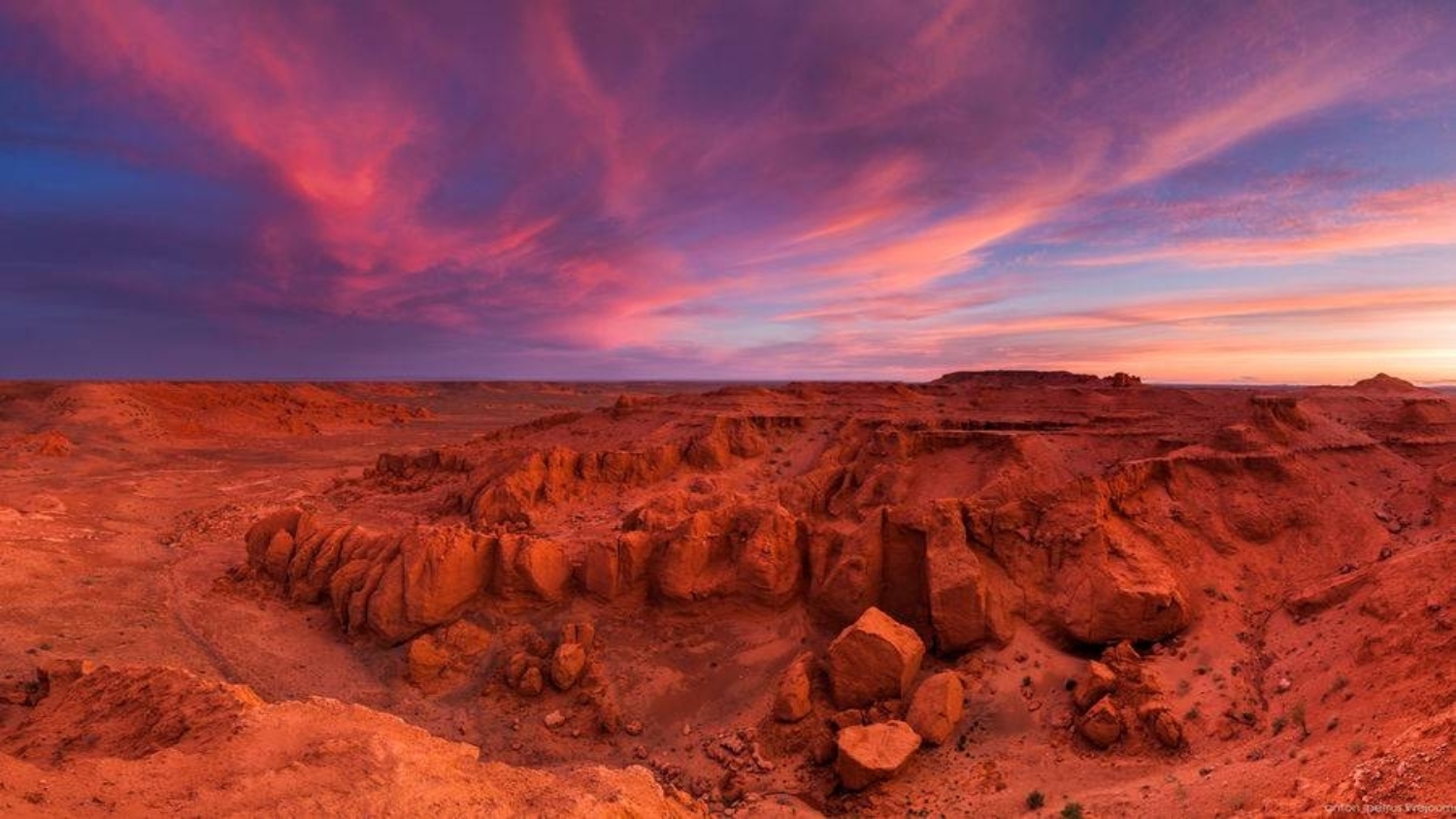
Bayanzag (Flaming Cliffs) – Where the Earth Turns to Ember
Only few landscapes feel as cinematic as the Flaming Cliffs in Bayanzag, where the desert suddenly erupts into fiery red sandstone. At golden hour, the cliffs glow as if they’re lit from within, creating an illusion of burning earth. It was here that the first dinosaur eggs were discovered, which is a fact that only adds to the location’s sense of timeless mystery.
Wander along the ridge and you’ll feel like you’re strolling through a prehistoric dreamscape. The wind whips up red dust, the ground crumbles underfoot, and the silence feels heavier, almost sacred.
How to experience it: Visit at sunset for peak colour. Pair your trip with a short exploration of the surrounding saxaul forests, which are unique to this region.
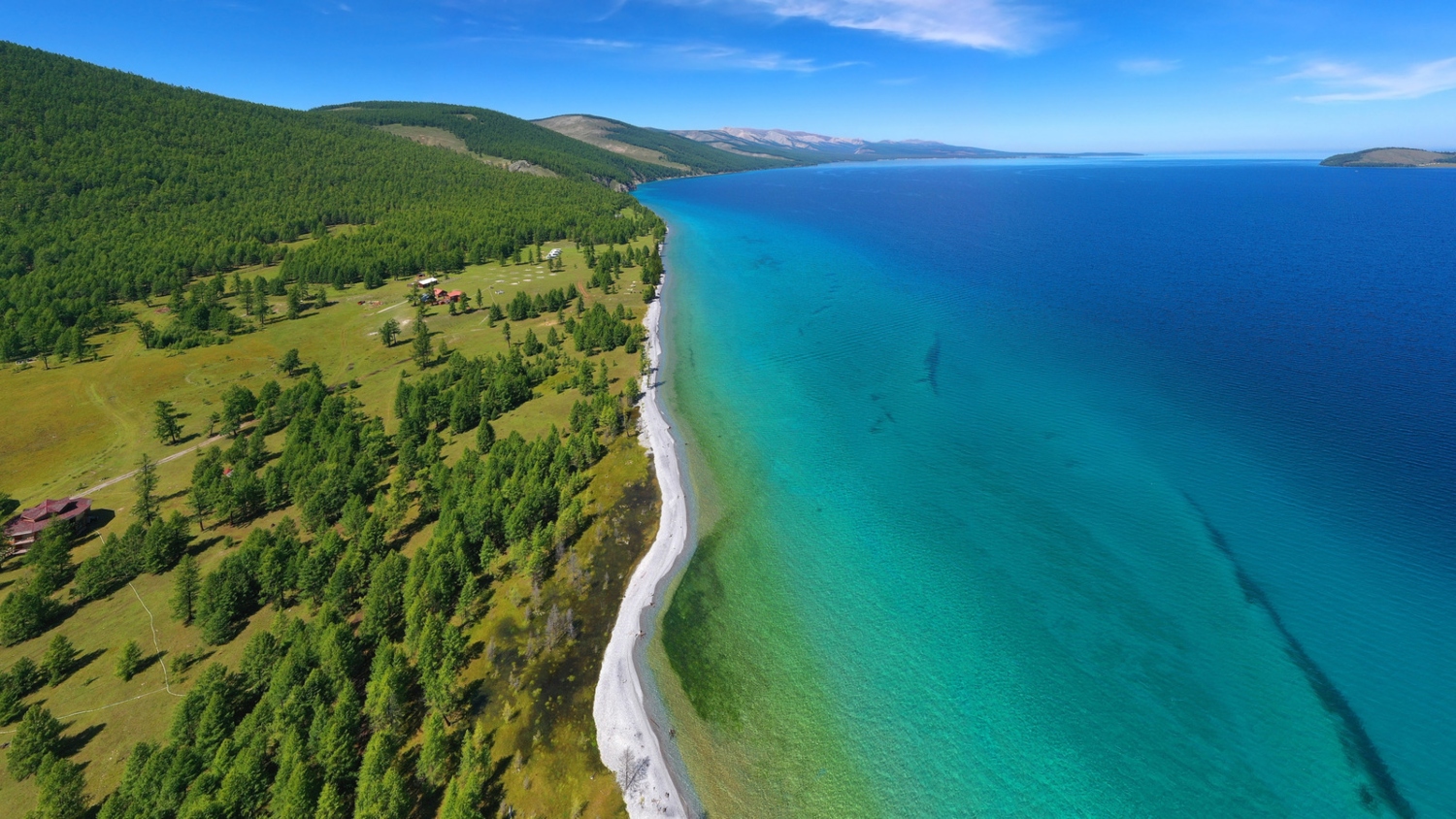
Lake Khövsgöl – Mongolia’s “Blue Pearl”
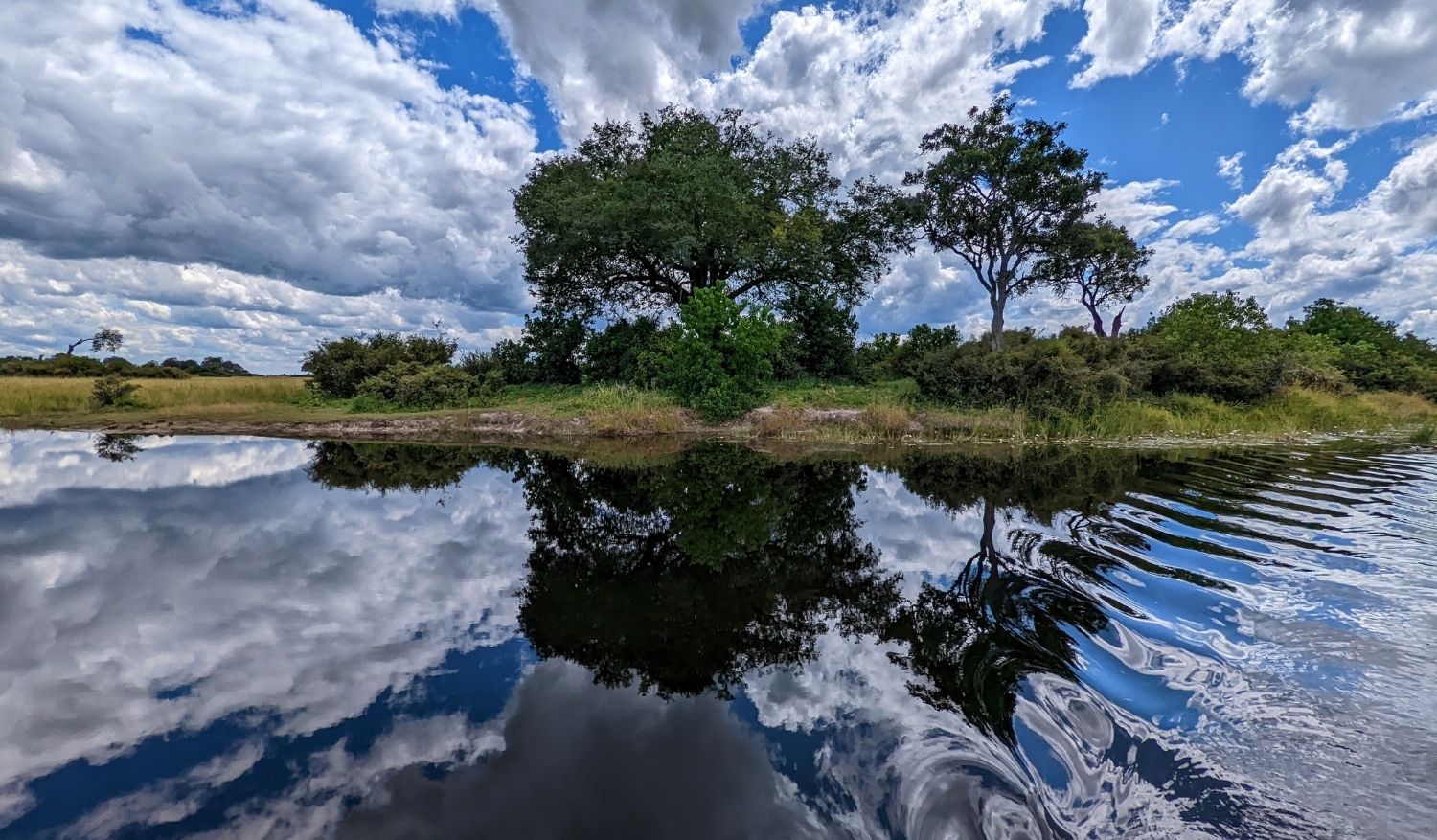
If the Gobi is the desert beating heart, Khövsgöl is the country’s soul: still, deep, and impossibly blue. Encircled by snow-draped mountains and thick taiga forests, Lake Khövsgöl holds nearly 70% of Mongolia’s freshwater. The water is so clear you can peer several metres down, and on still mornings, the surrounding peaks reflect perfectly, creating mirror-world illusions that photographers love.
Come for the serenity, and stay for the people. This is the home of the Tsaatan reindeer herders, one of the world’s few remaining reindeer-herding communities. Their life in the far north adds cultural complexity to the pristine landscape.
How to experience it: A lakeside stay in a wooden lodge or ger offers cosy evenings and long sunrise walks. Hire a local guide to venture into the highland trails.
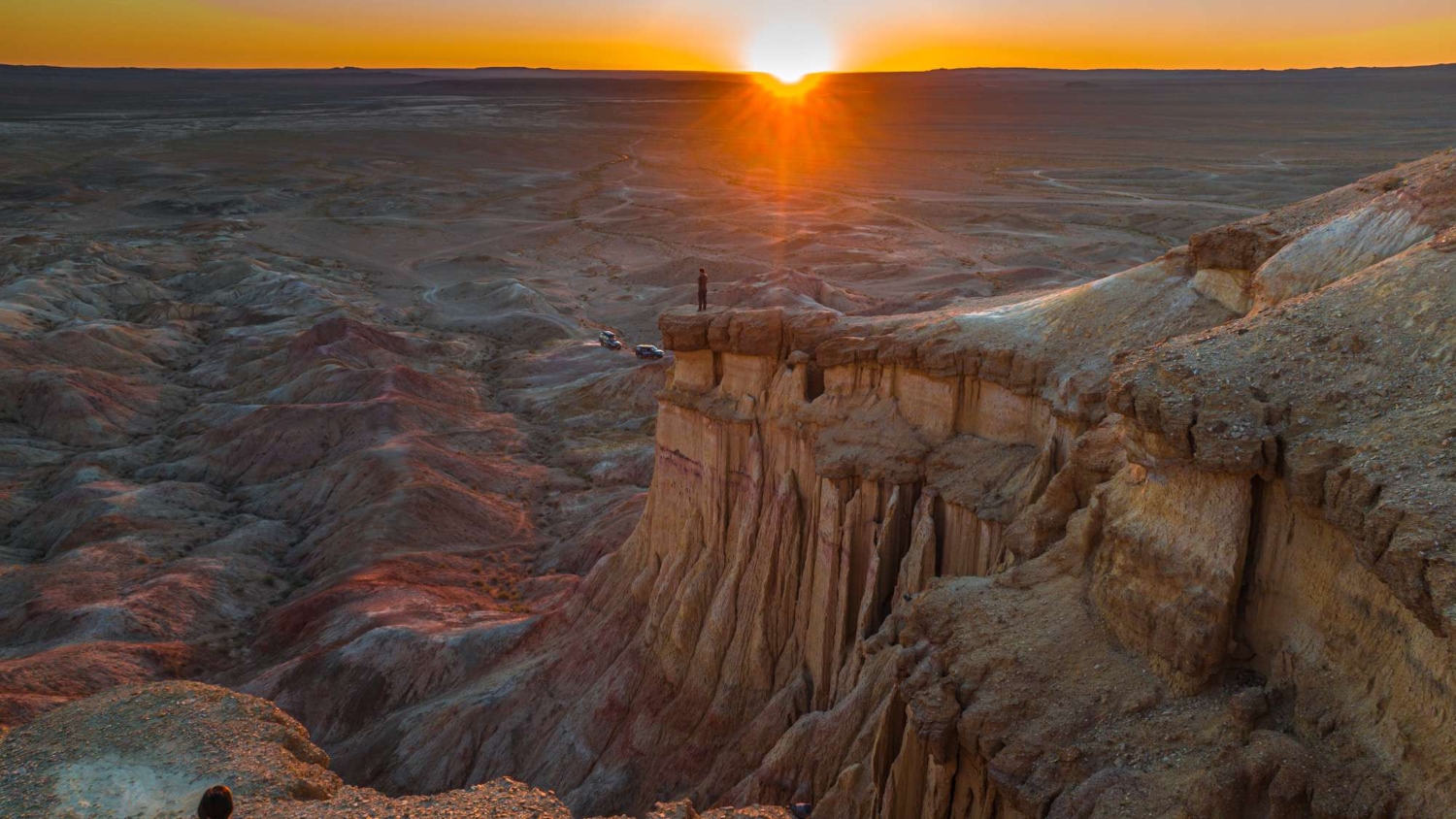
Tsagaan Suvarga – The White Stupa of the Steppe
In the middle of seemingly endless plains, the earth suddenly folds into a series of chalky cliffs streaked with lavender, ochre, rose, and bone-white. This is Tsagaan Suvarga, an eroded geological wonder that looks like a broken-off piece of another planet. Its layered colours tell a story millions of years old. Stand at the cliff’s edge and the formations stretch dramatically like a painter’s brush strokes across the desert.
How to experience it: Visit around late afternoon when shadows lengthen and the cliff colours deepen. You can walk down into the valley to see the layers up close.
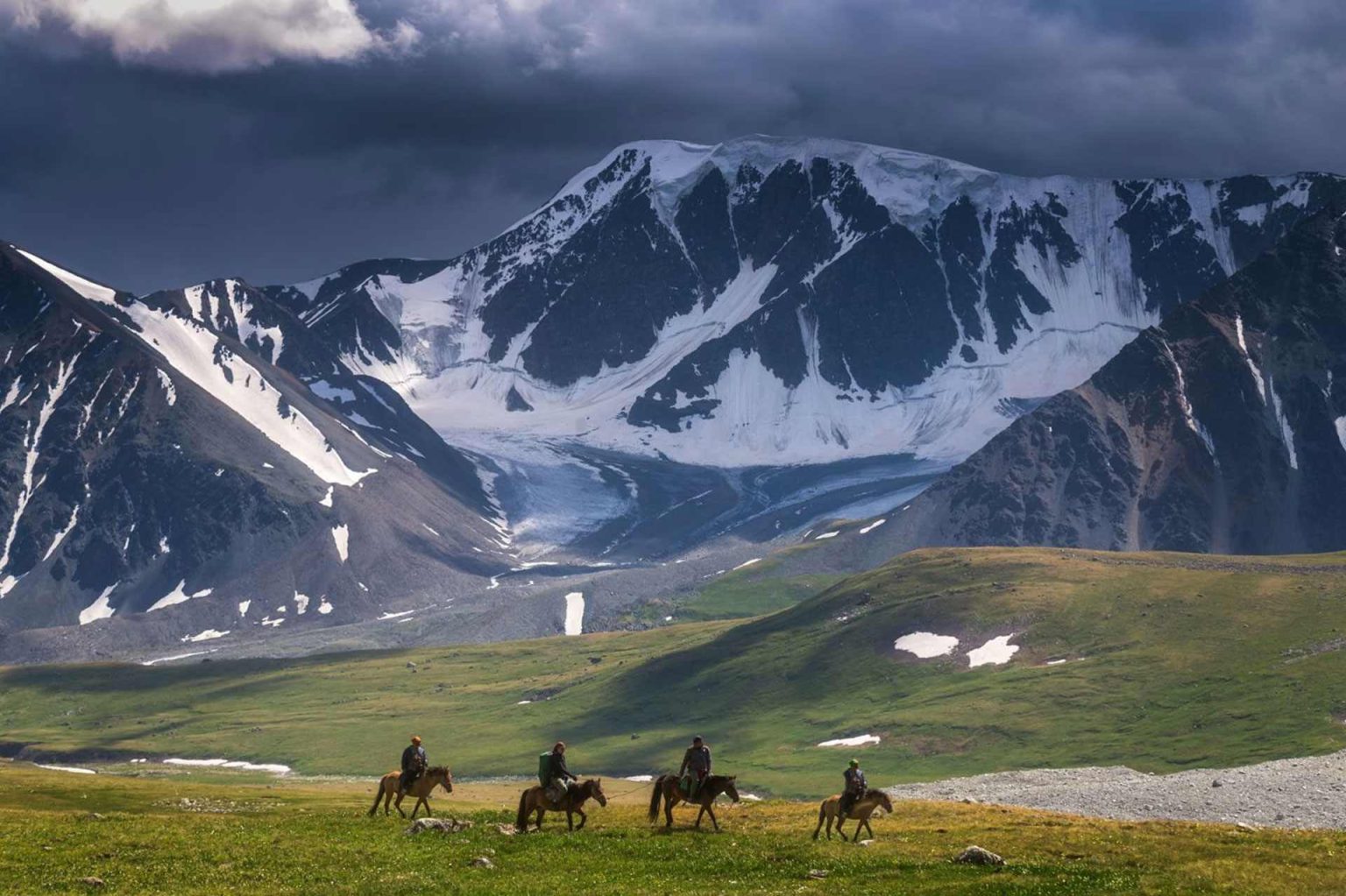
Altai Tavan Bogd National Park – At the Edge of Mountains and Myth
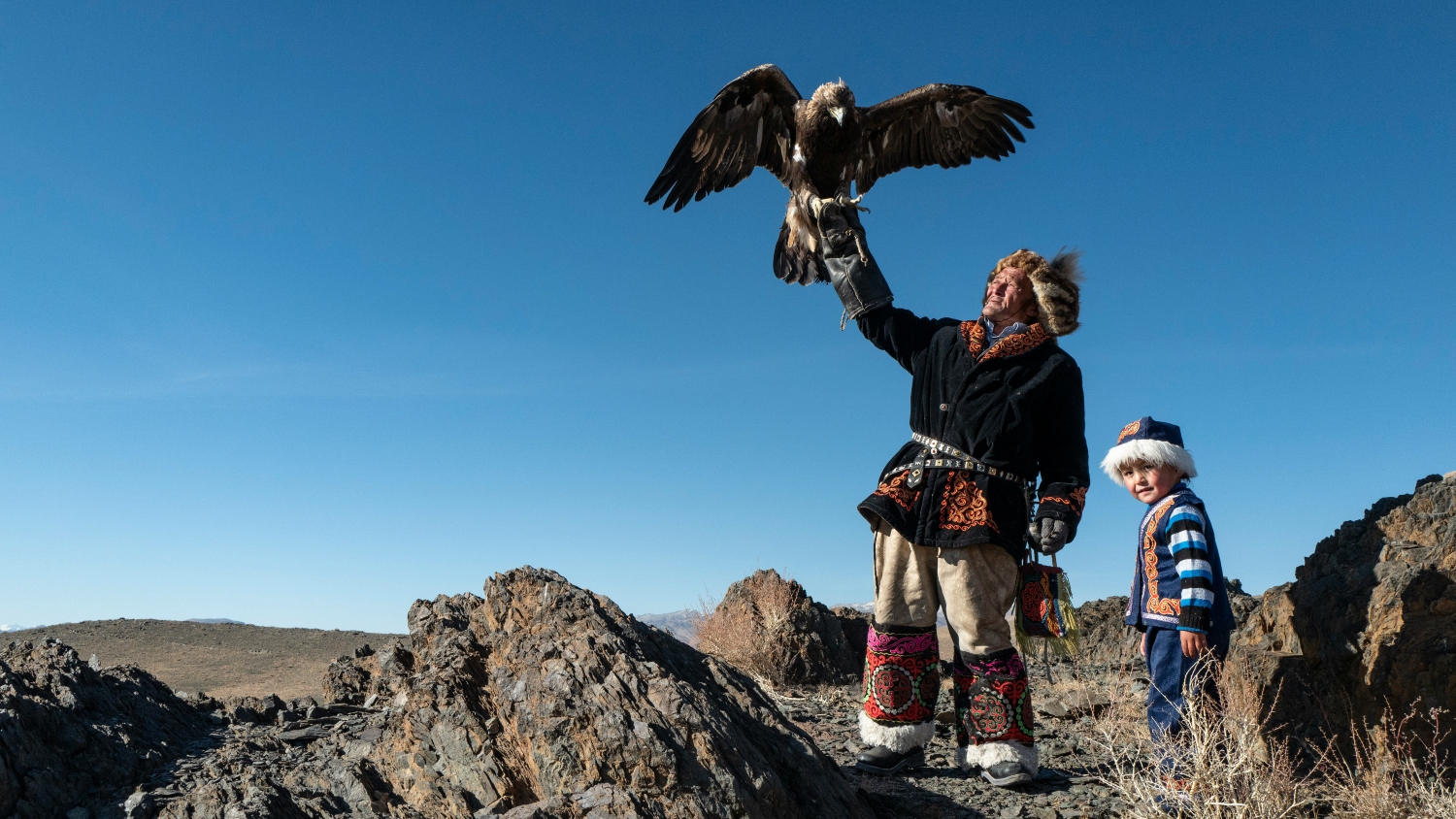
Western Mongolia feels like another Mongolia entirely as its rougher, colder, more dramatic. Here, the Altai Mountains rise in jagged ice-capped peaks, glaciers cut through valleys, and Kazakh eagle hunters ride through sweeping grasslands as they’ve done for centuries. Altai Tavan Bogd National Park, home to five towering peaks and massive Potanin Glacier, is Mongolia at its rawest. The air smells of snow even in summer, and everything feels untouched.
How to experience it: Hire a local Kazakh guide to accompany you through the valleys. If your timing aligns, you can attend the Golden Eagle Festival, which is one of the region’s most photogenic cultural gatherings.
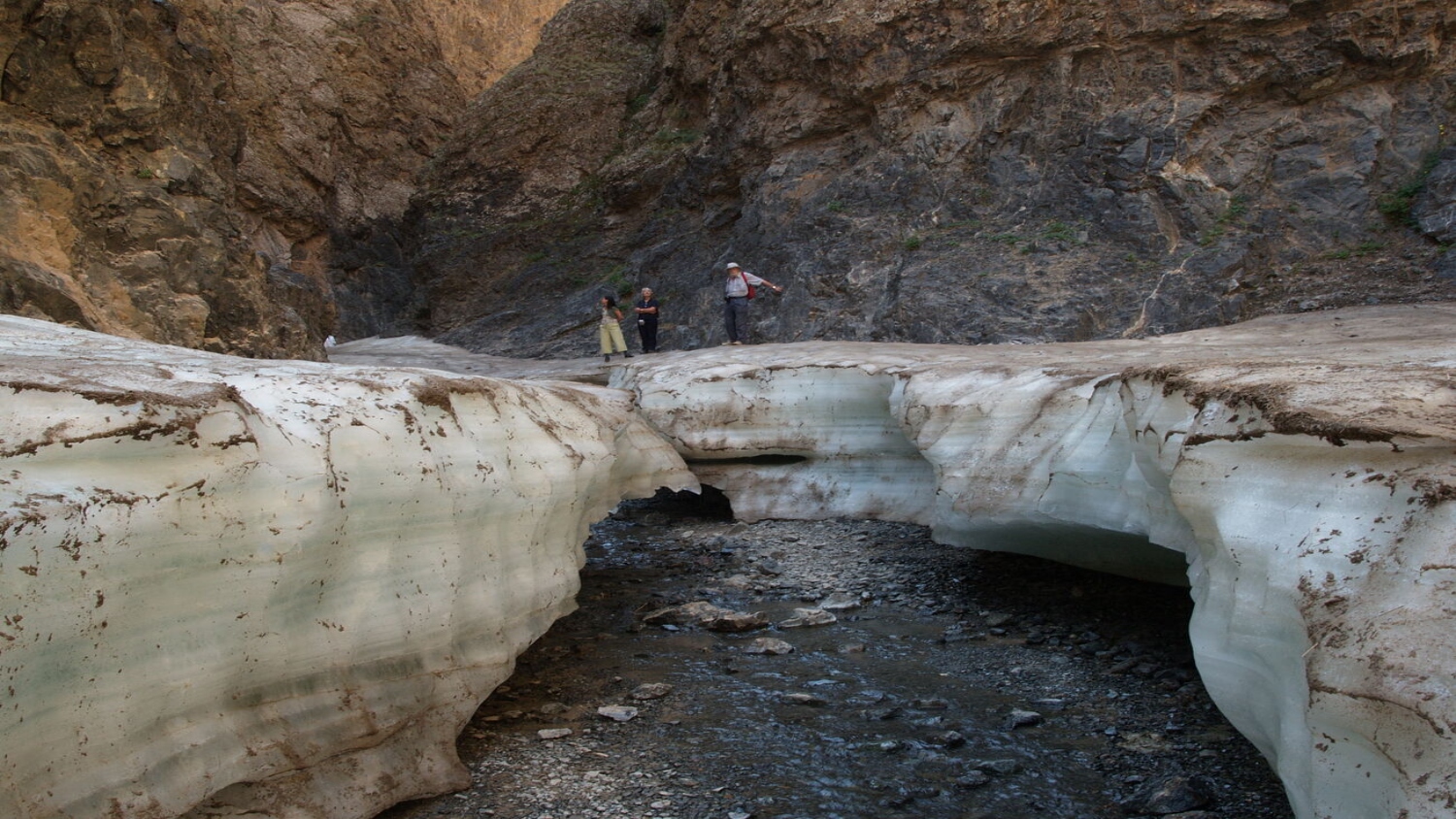
Yolyn Am – The Ice Valley of the Gobi
Contrary to what you’d expect from a desert, Yolyn Am is a deep canyon where ice remains year-round, protected from sunlight by towering rock walls. It’s a surreal contrast (the idea of ice in one of the driest regions in the world) and the canyon itself feels like a hidden sanctuary. Narrow, cool, and echoing with the cries of lammergeiers (bearded vultures), being at Yolyn Am feels like stepping into a secret pocket of cold air carved by time.
How to experience it: Visit early to enjoy the canyon before crowds arrive. Bring good shoes as some patches can be slippery even in summer.
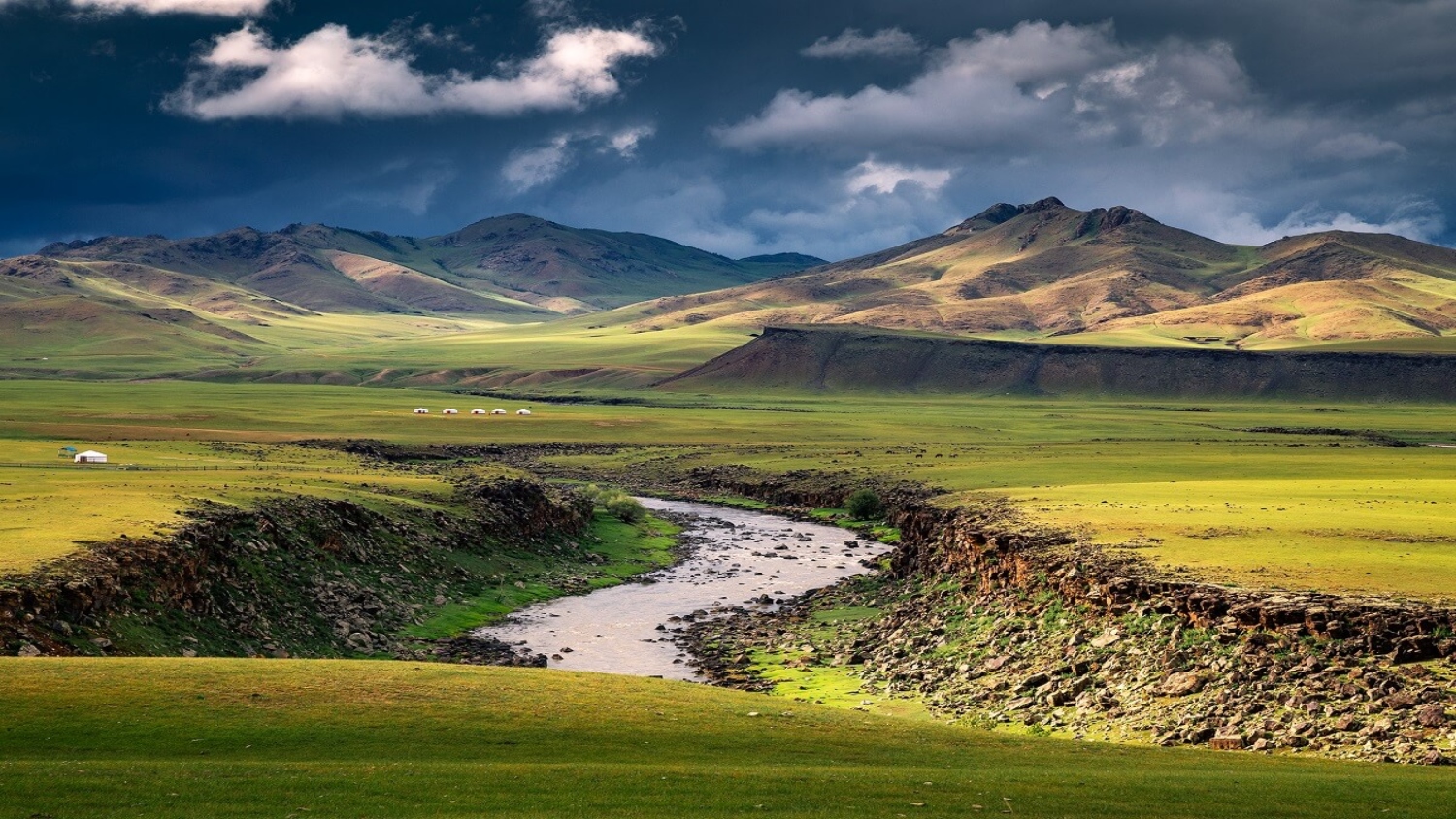
Orkhon Valley — A UNESCO Landscape Where History and Nomadic Life Meet
The Orkhon Valley is where Mongolia’s history feels alive. Recognised as a UNESCO World Heritage Cultural Landscape, this valley is layered with ancient ruins, monasteries, and sweeping river curves that have sheltered nomadic life for centuries. Here, horses run free across emerald pastures. Gers dot the plains like pearls. And the rhythms of nomadic life unfold with an almost meditative consistency: herding goats, milking mares, tending to fires. It’s unreal in its simplicity, and its untouched continuity.
How to experience it: Stay in a family-run ger camp, visit the ruins of Karakorum, and take a horseback ride along the river valley.
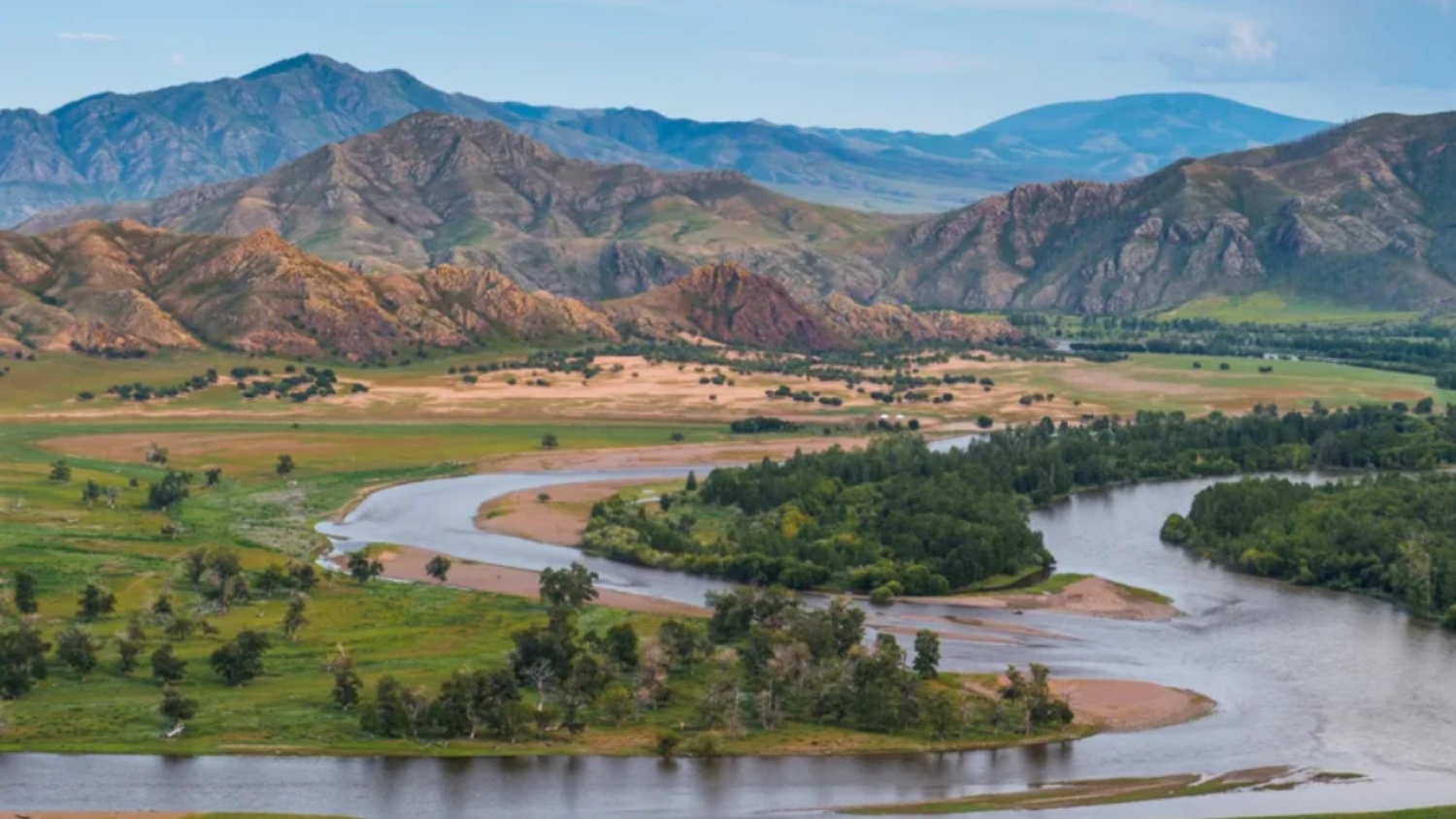
The Khentii Wilderness – Land of Mist and Myth
In the forested northeast, there is a quieter part of Mongolia — one of misty mornings, rolling pine-covered hills, and valleys wrapped in folklore. This is believed to be the birthplace of Genghis Khan, and many locals speak of the land with reverence. The Khentii region feels dreamlike: wet grass brushing your boots, crisp mountain air, and forests that swallow sound. It’s a Mongolia many travellers don’t see. One that’s softer, greener, and almost ethereal.
How to experience it: It’s best visited in summer when the alpine flowers bloom. Pair your trip with a stay in Terelj National Park for dramatic granite formations and river valleys.
Featured image: Lightscape