

Travel isn’t always about adding pins to a map. For those with limited leave days, the smartest trips stitch two or three places into a single 10–14 day trip that feels slow, restorative, and deeply local, not hurriedly. This can involve slow mornings that ease you into the day, long late-afternoons when neighbourhoods wake up again, and nights spent lingering over plates and conversations.
These slow stopovers cut the churn of short hops and can lower your per-day emissions when you prioritise rail, ferries and one efficient long-haul flight instead of several separate roundtrips. Train travel, for example, often emits a fraction of the CO₂ of a domestic flight on a per-passenger-km basis, making overland legs a clear climate win when they’re practical.
Here are five 10–14 day itineraries (one from each major travel region), with rhythms you can copy.
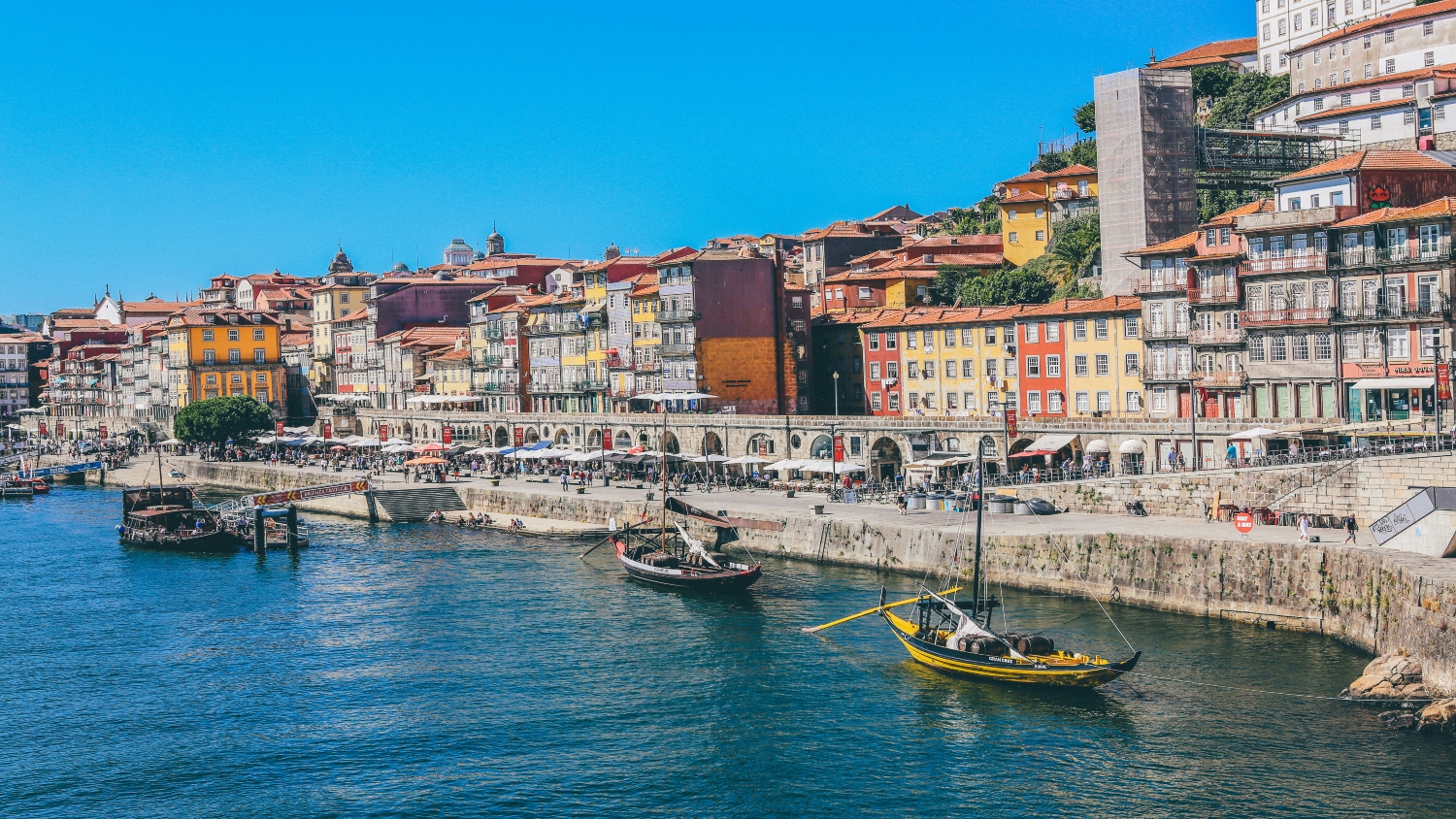
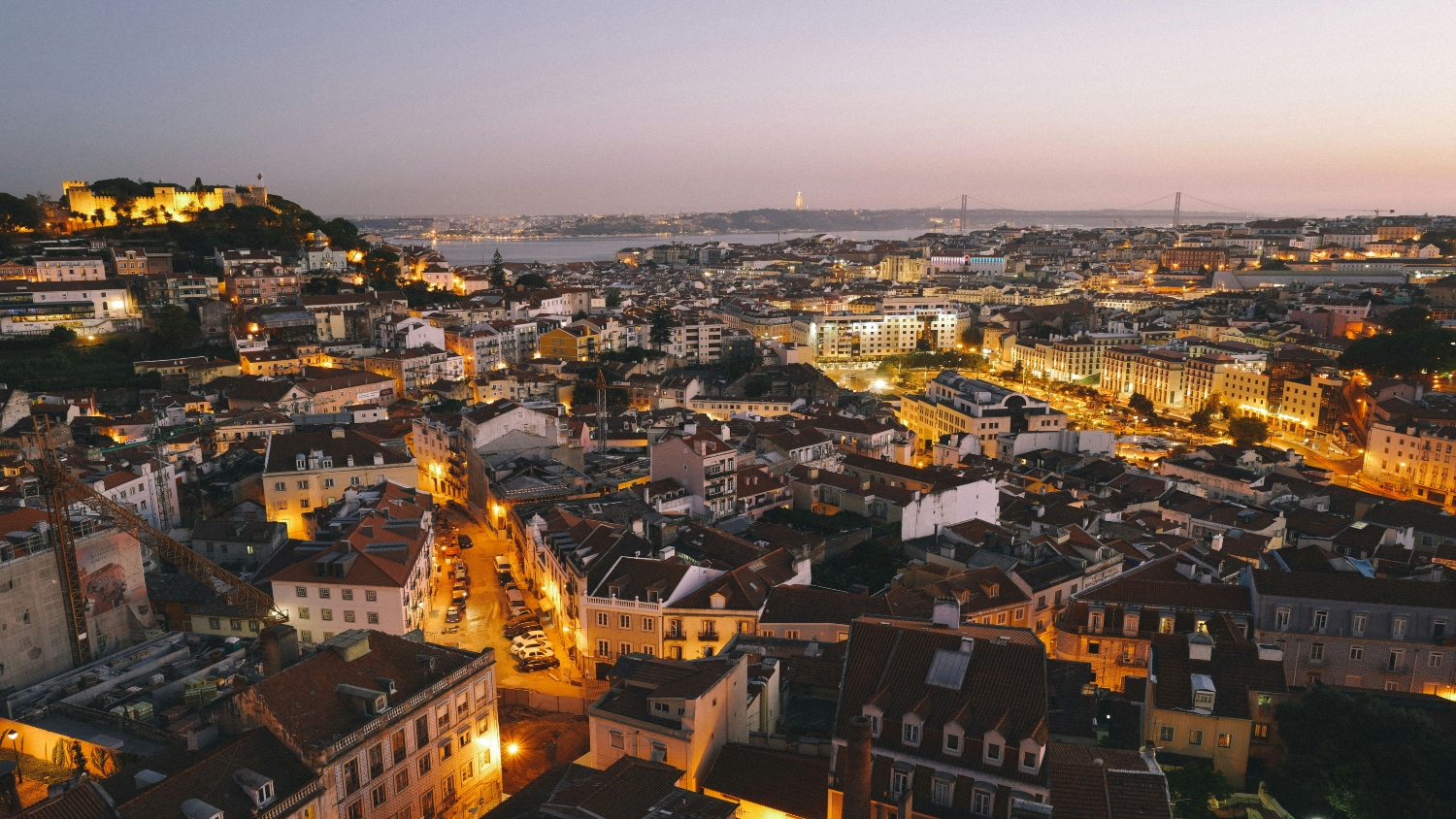
Lisbon → Douro Valley → Porto – Portugal (10 days)
Day 1–3 – Wake up gradually in Lisbon before enjoying a pastel de nata for breakfast and a slow walk through Alfama before the crowds. Come afternoon, visit a museum or take a nap before dinner in a tiny tasca (tavern) with a local musician. Then, take the Alfa Pendular or an Intercidades train up the coast to Porto (2.5–3 hours) for a scenic, comfortable, and lower-carbon choice than flying.
Day 4–7 – Rent a car for flexibility (or pre-book a small local transfer) while you drive around the Douro Valley. Stay at a quinta that practices regenerative farming. Indulge in a long breakfast while reading on the terrace, and at noon, go for a gentle river boat ride or vineyard walk, opting for family-run producers instead of big estates. To end the day, nothing quite hits like a slow, multi-course dinner that prioritises the day’s harvest.
Day 8–10 – Once you get to Porto, tuck into bookshops, do an evening port-tasting and chat with a winery owner, then ride a tram at dusk. For your flights home, depart from Porto or take a direct train back to Lisbon if your international flight leaves there.
Why it works: Short overland distances mean more time on the ground and less in airports; the Douro rewards lingering rather than ticking boxes.
Best for: Food, wine, river calm, and short train rides.
Best seasons to travel: Spring (March–May) or autumn (Sept–Oct).
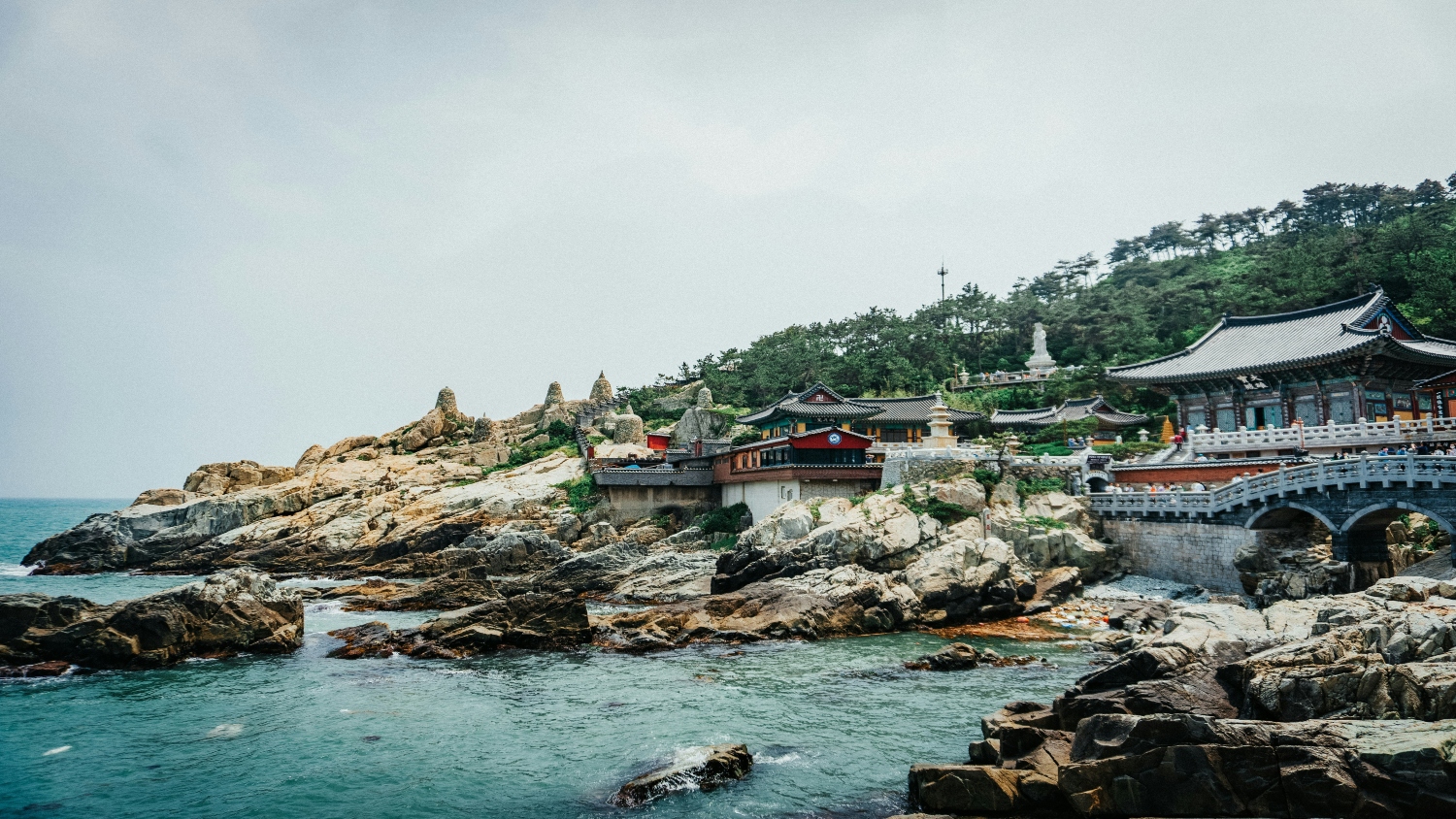
Seoul → Jeju → Busan – South Korea (12 days)
Day 1–4 – When in Seoul, keep the mornings for slow cafés and wandering around hanok lanes. Then, keep the afternoon for a museum or a design district before winding down with a long shared meal (like Korean BBQ) that stretches late into the night.
Day 5–8 – Take a one-hour flight to Jeju or opt for the overnight ferry when schedules suit. Volcanic-shore walks are perfect for the mornings, while slow crater hikes or local tangerine farm visits are great for the afternoon. Come evening, freshly caught seafood dinners and stargazing await.
Day 9–12 – Busan is a ferry or short flight from Jeju. Keep mornings for the beach, afternoons for the fish markets and slow temple visits, and evenings for harbour-front dining.
Why it works: Combining one short flight to Jeju with excellent rail and ferry options on the mainland turns what could be a rushed multi-city dash into a relaxed regional loop.
Best for: City culture → island calm → coastal city energy.
Best seasons to travel: Late winter to early spring (Feb–Apr) or autumn.
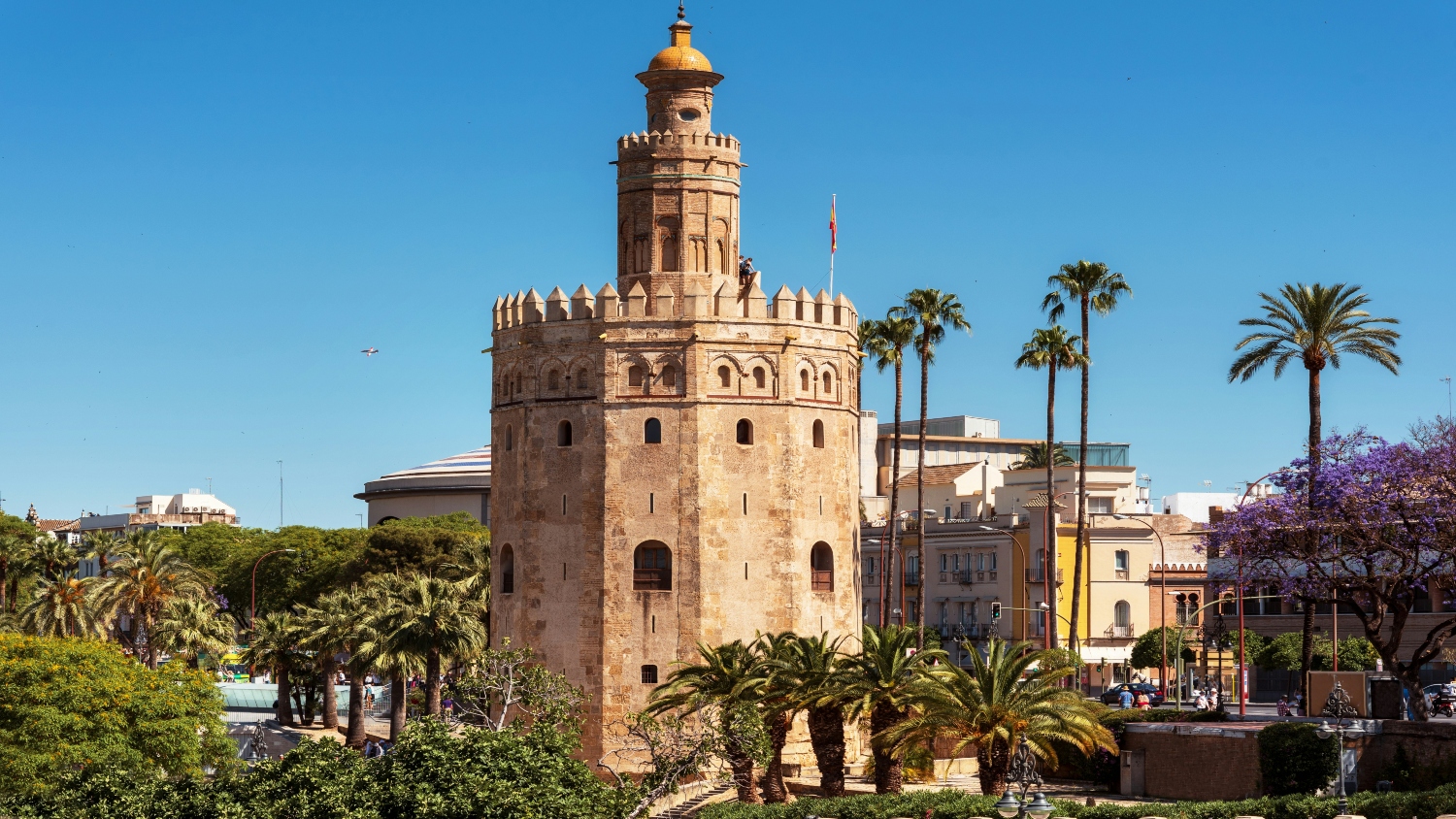
Marrakech → High Atlas → Essaouira – Morocco (10 days)
Day 1–4 – In Marrakech, start your day late at the morning market and an indulgent hammam after. In the afternoons, take a nap or potter around in the riads. Once night starts to settle in, visit the lively medina corners were locals meet.
Day 5–7 – Visit the High Atlas mountain range and stay in Imlil or near the Toubkal foothills. Arrange a mule or guide for short walks and opt for a family-run guesthouse instead of a luxury hotel. Breathe in the fresh mountain air and have breakfast with local bread in the morning. For the afternoons, take pleasure in guided village walks before wrapping up the day with tagine and stargazing.
Day 8–10 – Drive or take a coastal bus (3 to 4 hours) to the Atlantic and trade red city heat for sea breezes. If you’re adventurous, take a surfing lesson. Otherwise, wander around the markets or do a gallery visit. When the day finally exhales, delight in grilled seafood and relaxed music.
Why it works: Land transfers between these hubs reduce domestic flights and create a narrative arc from city to mountain to sea.
Best for: Architecture, mountain walking, and sea change.
Best seasons to travel: Spring or autumn (avoid peak summer heat).
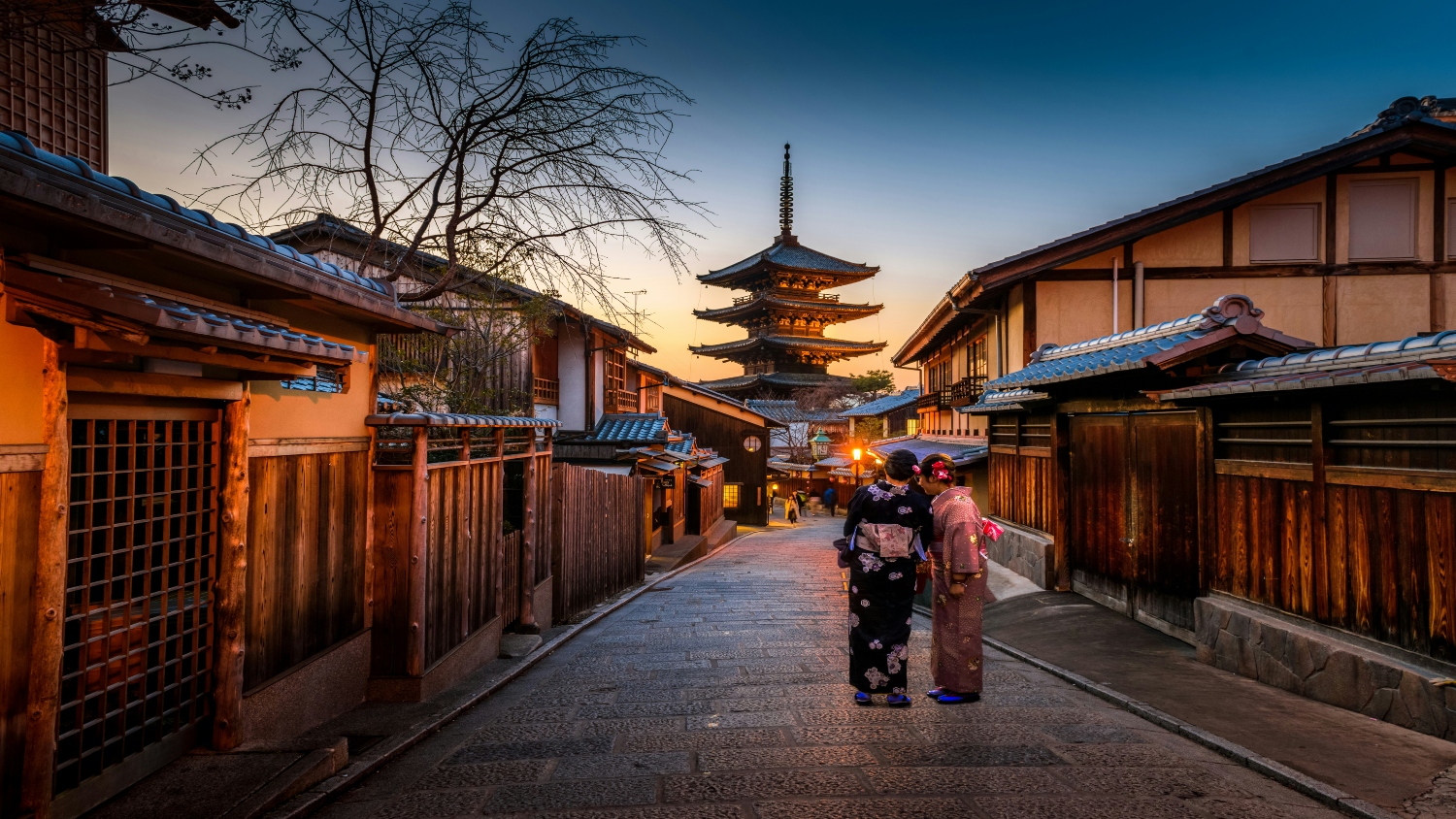
Tokyo → Hakone → Kyoto – Japan (11 days)
Day 1–4 – While in Tokyo, start the day late with an espresso before wandering around neighbourhoods like Shimokitazawa and Kagurazaka. Reserve the afternoon for a museum or local ceramics class before hopping to an izakaya where conversations may flow with strangers.
Day 5–7 – Take the Shinkansen (bullet train) to Odawara and arrive in Hakone after a short local ride. Slip into the many onsen available in the area and relish a slow lakeside breakfast. For the afternoon, cover an art museum or do a short hike. As dusk rolls in, savour a ryokan meal that stretches across hours.
Day 8–11 – Ride the bullet train to Kyoto (2 hours) and visit tea shops as well as temple gardens in the morning before they fill up with crowds. Attend a craft workshop or enjoy a slow bicycle ride through the backstreets. As the day winds down, opt for kaiseki dining with local storytelling.
Why it works: Fast rails for major transfers are combined with purposeful slow days so the travel time between hubs is efficient, leaving room for deep, human-scale experiences.
Best for: Urban energy, hot-spring recovery, cultural immersion.
Best seasons to travel: Autumn or cherry-blossom windows (time carefully).
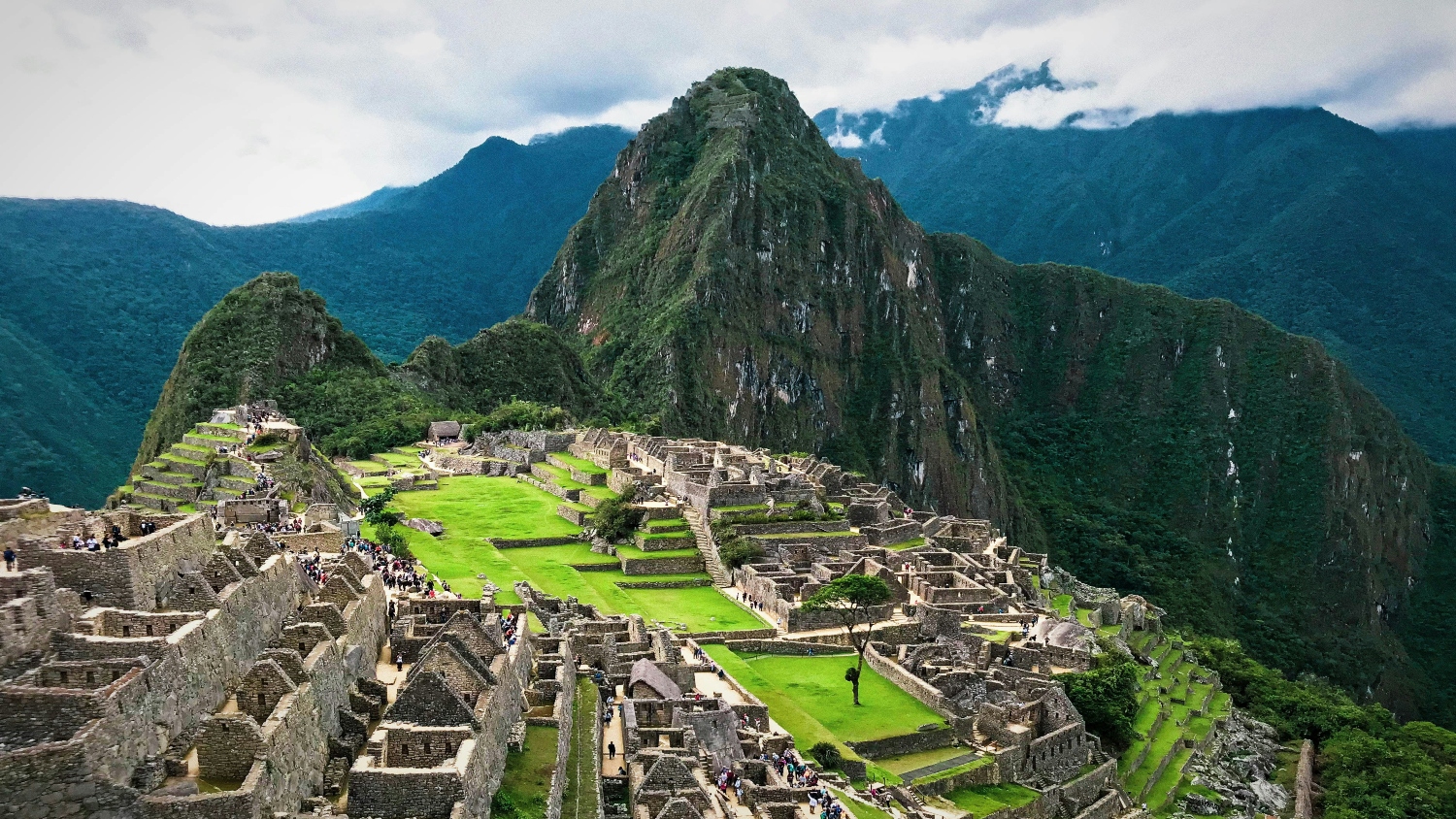
Lima → Sacred Valley → Cusco → Machu Picchu – Peru (12–14 days)
Day 1–3 – Once you get to Lima, rejoice in slow mornings in Miraflores or Barranco. Meanwhile afternoons can be spent exploring food markets and learning from a local chef. Wrap up the day with a seafood dinner with traditional offerings like ceviche.
Day 4–7 – Fly or overnight bus to Cusco then transfer to the Sacred Valley. Mornings should be enjoyed slow at the markets and family farms, whereas the afternoons may be filled with hands-on weaving or agriculture experiences with local co-operatives. Make friends from the activities at noon and end the day with small community dinners.
Day 8–11 – Take advantage of your time in Cusco by acclimatising with slow city walks and one museum per afternoon. Book a train to Aguas Calientes (overnight options exist via local operators) rather than repeat flights.
Day 12–14 – One cannot go to Peru and miss the Machu Picchu, so aim for an early morning visit and linger on the return train with panoramic views. Wrap up in Cusco with restorative meals before saying goodbye.
Why it works: Pacing the Sacred Valley before Machu Picchu is kinder on the body and the soul, and choosing fewer flights in-country helps lower the trip’s footprint.
Best for: Heritage, gentle altitude acclimatisation, rural hospitality.
Best seasons to travel: May–September (dry season). Book early.
Featured image: Andreas Brücker